
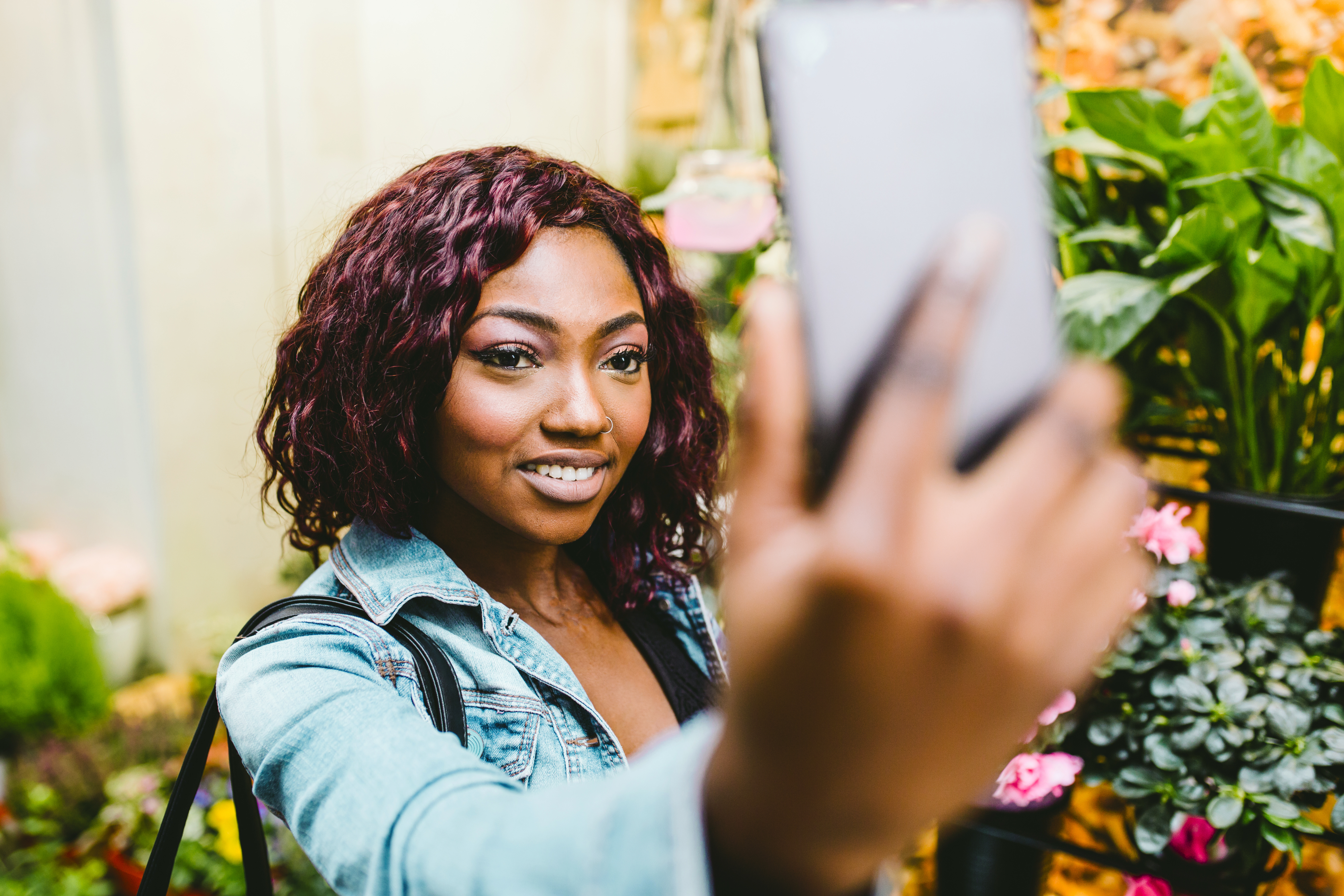
Social Media vs. Mental Health: Setting Boundaries to Protect Your Mind
Social Media vs. Mental Health: Setting Boundaries to Protect Your Mind
Social media is a huge part of our daily lives, especially for teens and young adults. While it helps us stay connected, it also has a powerful effect on mental health. From unrealistic beauty standards to constant comparison, social media can contribute to anxiety, negative thinking, and even depression. If you’ve ever found yourself feeling worse after scrolling through your feed, you’re not alone. The good news? You can take control by setting healthy boundaries.
How Social Media Affects Mental Health
- Comparison and Self-Esteem
Seeing curated highlight reels of other people’s lives can make it easy to feel like you’re not doing enough or that you don’t measure up. This can lead to low self-esteem and negative thinking. - Anxiety and Stress
Constant notifications, pressure to respond quickly, and exposure to negative news can increase anxiety levels. Social media overload can leave you feeling mentally exhausted. - Sleep Disruptions
Scrolling late at night keeps your brain active when it should be winding down. Blue light from screens can interfere with melatonin production, making it harder to fall asleep. - Fear of Missing Out (FOMO)
Seeing others attending events, achieving goals, or living seemingly perfect lives can make you feel like you’re being left behind.
Practical Tips to Set Healthy Social Media Boundaries
If social media is affecting your mental health, try these strategies to create a healthier balance:
- Limit Screen Time
Set daily limits on social media apps or use features that track your usage. Reducing screen time can help lower stress and improve focus.
- Curate Your Feed
Follow accounts that inspire and uplift you. Unfollow or mute accounts that make you feel bad about yourself.
- Take Social Media Breaks
Designate “screen-free” times, such as during meals or before bed. Consider a weekend detox to reset your mind.
- Avoid Negative Content
Be mindful of how certain content makes you feel. If posts consistently trigger negative emotions, it’s okay to step away.
- Engage in Real-Life Connections
Prioritize in-person interactions and meaningful conversations over endless scrolling. Real-life connections are essential for mental well-being.
When to Seek Support
If social media is making you feel overwhelmed, anxious, or depressed, talking to a professional can help. Think about connecting with mental health counselors who specialize in breaking cycles of negative thinking.
Final Thoughts
Social media can be a great tool, but without boundaries, it can negatively impact mental health. By being mindful of how you use it and making intentional changes, you can protect your mind and well-being. If you’re struggling with anxiety, self-esteem issues, or social media-related stress, don’t hesitate to seek support. Mental health counseling can provide guidance on setting boundaries and creating a healthier relationship with social media.
Remember, you are in control of your digital experience. Take steps today to create a more positive and balanced online world for yourself.
Discover more from Therapeutic Self Care
Subscribe to get the latest posts sent to your email.

Add Comment