
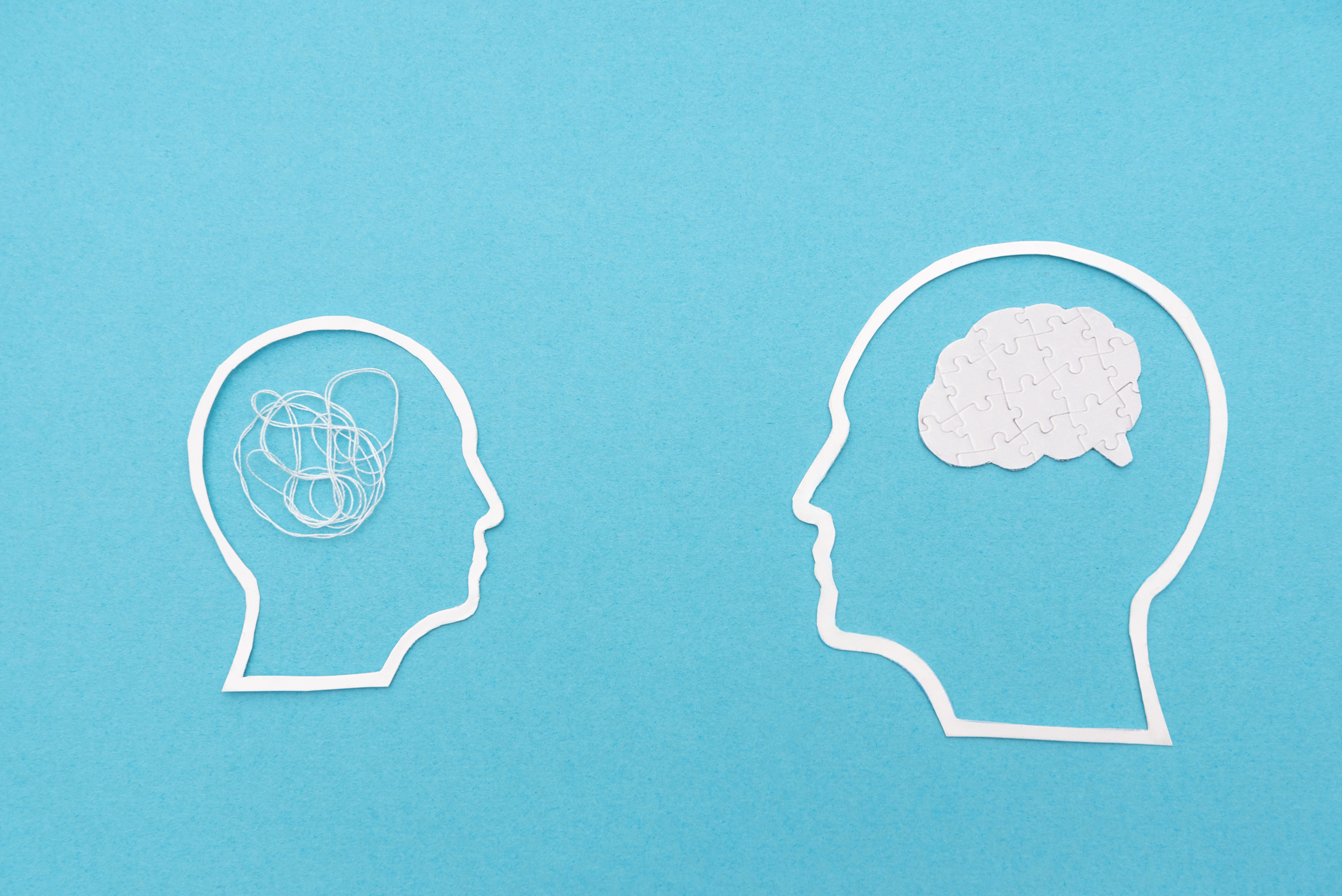
Your Brain on Therapy-How Counseling Physically Changes Your Mind
Your Brain on Therapy: How Counseling Physically Changes Your Mind
Therapy isn’t just about talking through your problems—it can actually change the way your brain functions. Research in neuroscience has shown that therapy rewires the brain, improving emotional regulation, resilience, and overall mental well-being. If you’ve ever wondered how counseling can create lasting change, let’s break down the science behind it.
The Brain’s Ability to Change: Neuroplasticity
Your brain isn’t fixed—it’s constantly adapting and evolving based on experiences and learning. This ability, known as neuroplasticity, allows therapy to create new neural pathways, helping individuals develop healthier thought patterns and emotional responses. Studies have shown that engaging in therapy can lead to structural and functional changes in the brain, much like learning a new skill or habit.
How Therapy Rewires the Brain
- Strengthening the Prefrontal Cortex (PFC)
The prefrontal cortex is responsible for reasoning, impulse control, and emotional regulation. When you engage in therapy, particularly cognitive-behavioral therapy (CBT), this area becomes more active, allowing you to manage stress and emotions more effectively. Research using brain imaging has shown that people who undergo therapy develop stronger connections in this region, leading to improved decision-making and emotional resilience.
- Reducing Overactivity in the Amygdala
The amygdala, often referred to as the brain’s “fear center,” plays a key role in processing emotions, particularly stress and anxiety. Individuals struggling with anxiety disorders or PTSD often have an overactive amygdala. Therapy, especially mindfulness-based and trauma-focused approaches, helps calm this part of the brain, reducing emotional reactivity and increasing a sense of control over thoughts and feelings.
- Enhancing Connectivity Between Brain Regions
Effective emotional regulation relies on communication between different parts of the brain. Therapy has been shown to strengthen connections between the prefrontal cortex and the amygdala, helping individuals respond to stress in a more balanced way. Over time, this improved connectivity leads to better coping mechanisms and reduced symptoms of anxiety and depression.
- Boosting Serotonin and Dopamine Levels
Therapy doesn’t just change brain structures—it also influences neurotransmitters, the brain’s chemical messengers. Engaging in therapy has been found to increase serotonin and dopamine levels, which are associated with feelings of happiness, motivation, and overall well-being. This effect is similar to the way antidepressant medications work, but it occurs naturally through cognitive and emotional processing.
Therapy as Brain Training
Think of therapy as a workout for your mind. Just like exercising strengthens muscles, therapy strengthens your brain’s ability to cope with stress, regulate emotions, and navigate challenges. The more consistently you engage in therapy, the more these neural changes solidify, making mental resilience a long-term outcome.
Finding the Right Support
If you’re considering therapy, you’re not just investing in your mental health—you’re actively reshaping your brain for the better. Whether you’re struggling with anxiety, depression, trauma, or everyday stress, working with a mental health counselor can help you build resilience and emotional strength. Looking for therapists near me? A trained professional can guide you through the process and support your journey toward healing.
Final Thoughts
Therapy is more than just talking—it’s science-backed brain training that enhances mental health awareness and long-term well-being. By harnessing the brain’s ability to change, therapy empowers individuals to break free from negative patterns and create healthier, more fulfilling lives. If you’ve been on the fence about seeking help, remember: therapy doesn’t just change your mind—it changes your brain for the better.
For more self-care tips and resources, you can reach out to us at Therapeutic Self-Care.
Discover more from Therapeutic Self Care
Subscribe to get the latest posts sent to your email.

Add Comment