
Feeling Stressed? Discover How Mindfulness Can Change Your Life Today!
Feeling Stressed? Discover How Mindfulness Can Change Your Life Today!
Intro: Why Mindfulness Matters
Life can feel overwhelming, especially when you’re juggling work, relationships, and personal responsibilities. Stress and anxiety can build up quickly, leaving you feeling stuck or out of control. But there’s good news: mindfulness can help you find calm and balance in your day-to-day life. Whether you’re exploring self-improvement or searching for a therapist near you to support your mental health, mindfulness is a practical tool anyone can learn to reduce stress and improve well-being.
Mindfulness is more than just a trendy word; it’s a proven technique backed by research. With just a few minutes a day, you can feel more present, less stressed, and better equipped to handle life’s challenges.
What is Mindfulness?
Mindfulness is the practice of being fully present in the moment, noticing what you’re feeling and thinking without judgment. It means slowing down and paying attention to your thoughts, emotions, and surroundings.
For example, instead of rushing through your morning coffee, mindfulness encourages you to take a moment to smell the aroma, savor each sip, and truly enjoy the experience. This practice can turn small moments into opportunities to recharge and reset.
Where Did Mindfulness Come From?
Mindfulness has roots in ancient practices, particularly Buddhism, where it has been used for thousands of years as a way to focus the mind and reduce suffering. In recent decades, mindfulness has been adapted into modern psychology as a tool for managing stress, anxiety, and depression.
Dr. Jon Kabat-Zinn, a researcher at the University of Massachusetts, is credited with bringing mindfulness into the medical and mental health fields. He developed a program called Mindfulness-Based Stress Reduction (MBSR), which has been widely studied and proven to help people with anxiety, chronic pain, and even high blood pressure.
What Does the Research Say?
Mindfulness isn’t just a feel-good practice—it’s backed by science. Studies have shown that practicing mindfulness can:
- Reduce stress: Mindfulness lowers levels of cortisol, the body’s stress hormone, helping you feel calmer and more relaxed.
- Ease anxiety and depression: Regular mindfulness practice can improve symptoms of anxiety and depression by helping you focus on the present instead of worrying about the past or future.
- Improve focus: Mindfulness strengthens your ability to pay attention, making it easier to stay on task and reduce distractions.
- Boost overall happiness: Mindfulness encourages gratitude and self-awareness, which can lead to a more positive outlook on life.
If you’re feeling overwhelmed, mindfulness is a proven way to regain control and feel more grounded. And if you’re working with a therapist near you, mindfulness can complement your therapy sessions to enhance your progress.
How Can Mindfulness Help You?
Mindfulness is for everyone. You don’t need special skills or hours of free time to start. Here’s why you should care:
- It helps you feel more in control of your emotions.
- It makes everyday moments more enjoyable.
- It improves your mental and physical health over time.
Mindfulness isn’t just for managing stress—it’s a way to build a better relationship with yourself and the people around you.
5 Simple Mindfulness Practices to Try Today
- Deep Breathing
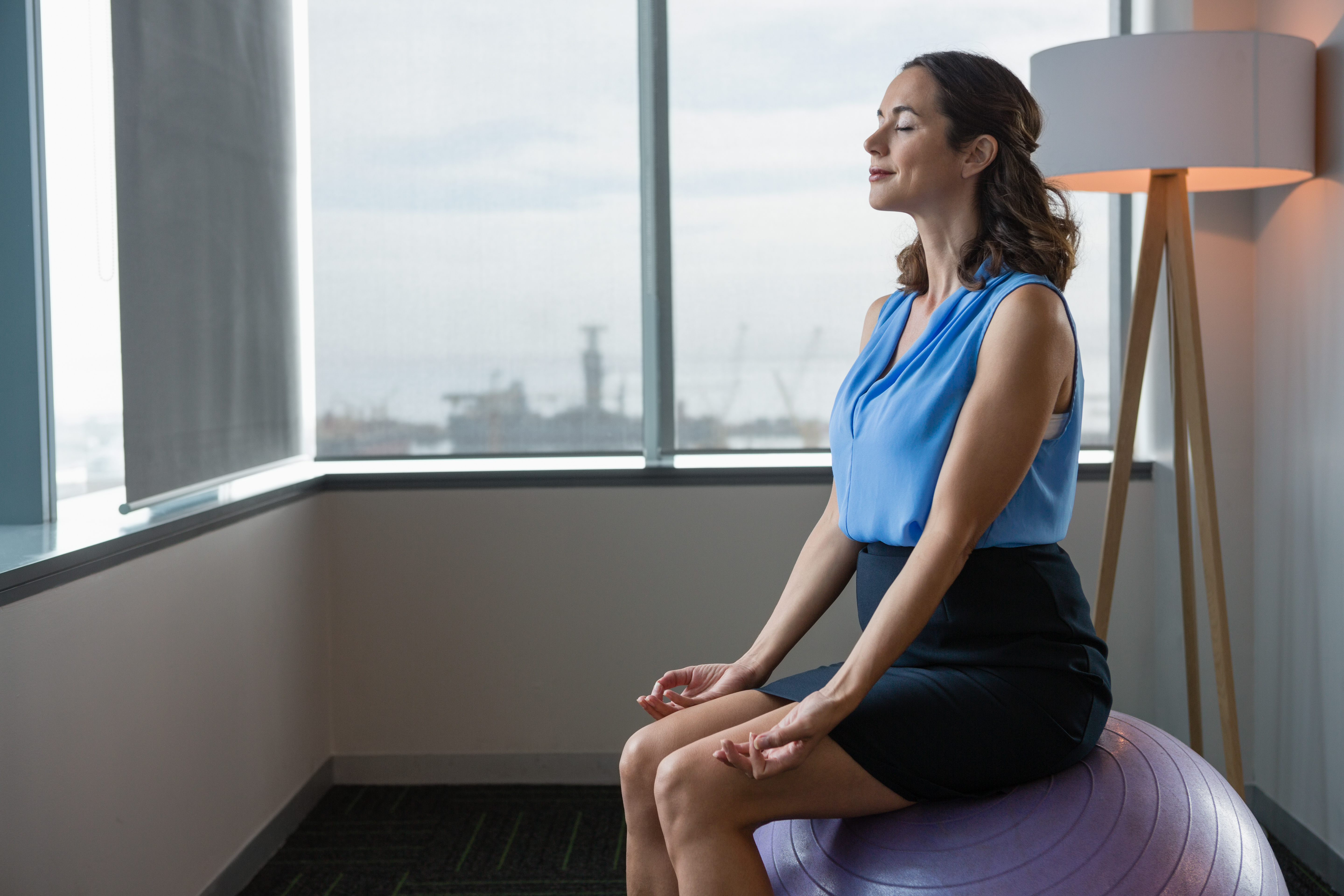
Sit quietly, close your eyes, and take slow, deep breaths. Focus on how the air feels as it enters and leaves your body. Just 2–3 minutes can help calm your mind. - Mindful Eating
Pay attention to the texture, taste, and smell of your food. Eating slowly and mindfully can make meals more enjoyable and reduce stress. - Gratitude Practice
Write down three things you’re grateful for each day. This simple habit can shift your focus from stress to positivity. - Body Scan
Lie down or sit comfortably and slowly notice each part of your body, starting from your toes and working up to your head. This helps you connect with how your body feels and release tension. - Mindful Walking
Take a short walk, paying attention to the sensation of your feet touching the ground, the sounds around you, and the rhythm of your steps.
Why Work with a Therapist for Mindfulness?
While mindfulness can be practiced on your own, working with a professional can make it even more effective. A counselor near you can help tailor mindfulness techniques to your unique needs and guide you through challenges. At our Galloway, NJ practice, we incorporate mindfulness into therapy sessions for stress, anxiety, and depression, helping clients find calm and clarity in their lives.
Start Your Mindfulness Journey Today
Mindfulness is a simple yet powerful way to take care of your mental health. Whether you’re new to mindfulness or looking for more personalized guidance, we’re here to help. If you’re in New Jersey and searching for a therapist near you, reach out to our practice in Galloway, NJ.
Let’s work together to create a more peaceful, balanced life for you. Contact us today to schedule a session and start your journey.
Discover more from Therapeutic Self Care
Subscribe to get the latest posts sent to your email.

Add Comment